
The rumour-mills have been reignited to cook the report that Nigeria Football Federation is ready to appoint a head coach for the country's Under-23 side, the Olympic Eagles, Soccernet.ng reports.
The 2028 Summer Olympics to be held in Los Angeles, California, are just over two years away and the qualifiers will soon be scheduled.
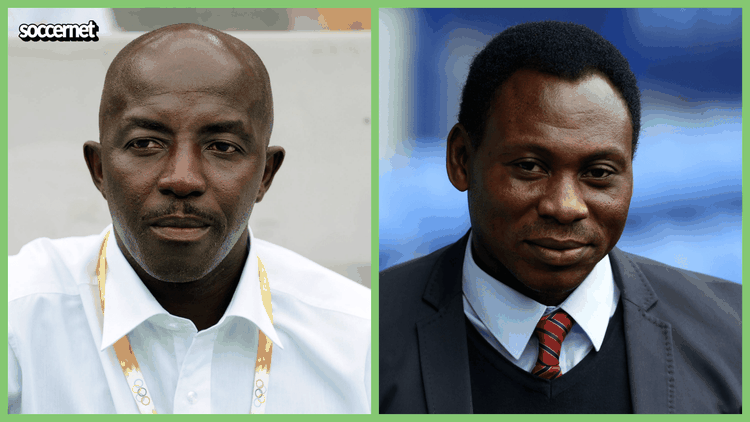
The NFF has therefore opened the door for a new head coach following the exit of Salisu Yusuf, and two familiar names have stepped forward: Samson Siasia and Daniel Amokachi.
Both are former Super Eagles stars. Both understand the pressure that comes with wearing green and white. But only one, on balance, appears better placed to lead the next Olympic cycle.
Their applications come at a time when the team has lost its way. Once a symbol of Nigerian excellence on the global stage, the U-23 side has struggled to even reach the Olympics in recent years.
So whoever gets the job will not just be filling a vacancy but will be tasked with restoring the identity of the continent's first-ever gold medalists.
Olympic Eagles: A decade of decline
To understand the importance of this decision, it helps to look back. Nigeria won Olympic gold in Atlanta 1996, then added silver in Beijing 2008 and bronze in Rio 2016. Those achievements placed the country among the elite in Olympic football.
But since 2016, the story has been very different. Nigeria failed to qualify for the Tokyo 2020 Games after a group-stage exit at the 2019 U-23 Africa Cup of Nations. The disappointment deepened when they missed out on Paris 2024, losing 2-0 on aggregate to Guinea after a goalless first leg in Abuja.
The reasons are clear and recurring, including unstable coaching structures, poor preparation, and the constant struggle to release players from European clubs. The result has been a team without rhythm or continuity. Any new coach must fix these problems quickly.
Siasia’s Olympic pedigree
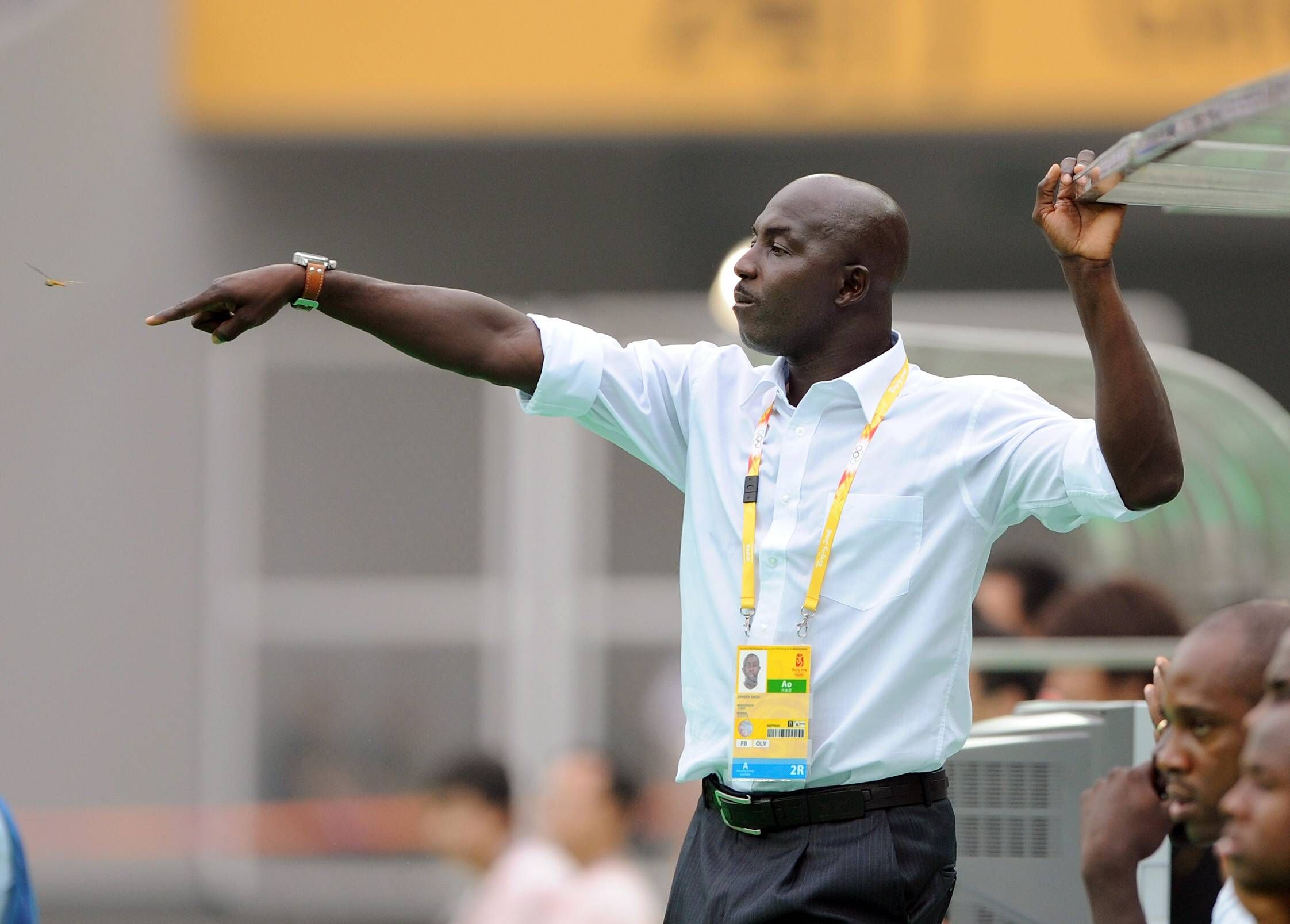
This is where Siasia’s case becomes strong. The 58-year-old has twice led Nigeria’s U-23 team and delivered results both times. At the 2008 Beijing Olympics men's football tournament, his side won silver, losing only to Argentina in the final.
Eight years later, at the 2016 Rio Olympics men's football tournament, he guided a troubled squad to bronze despite severe financial and logistical challenges.
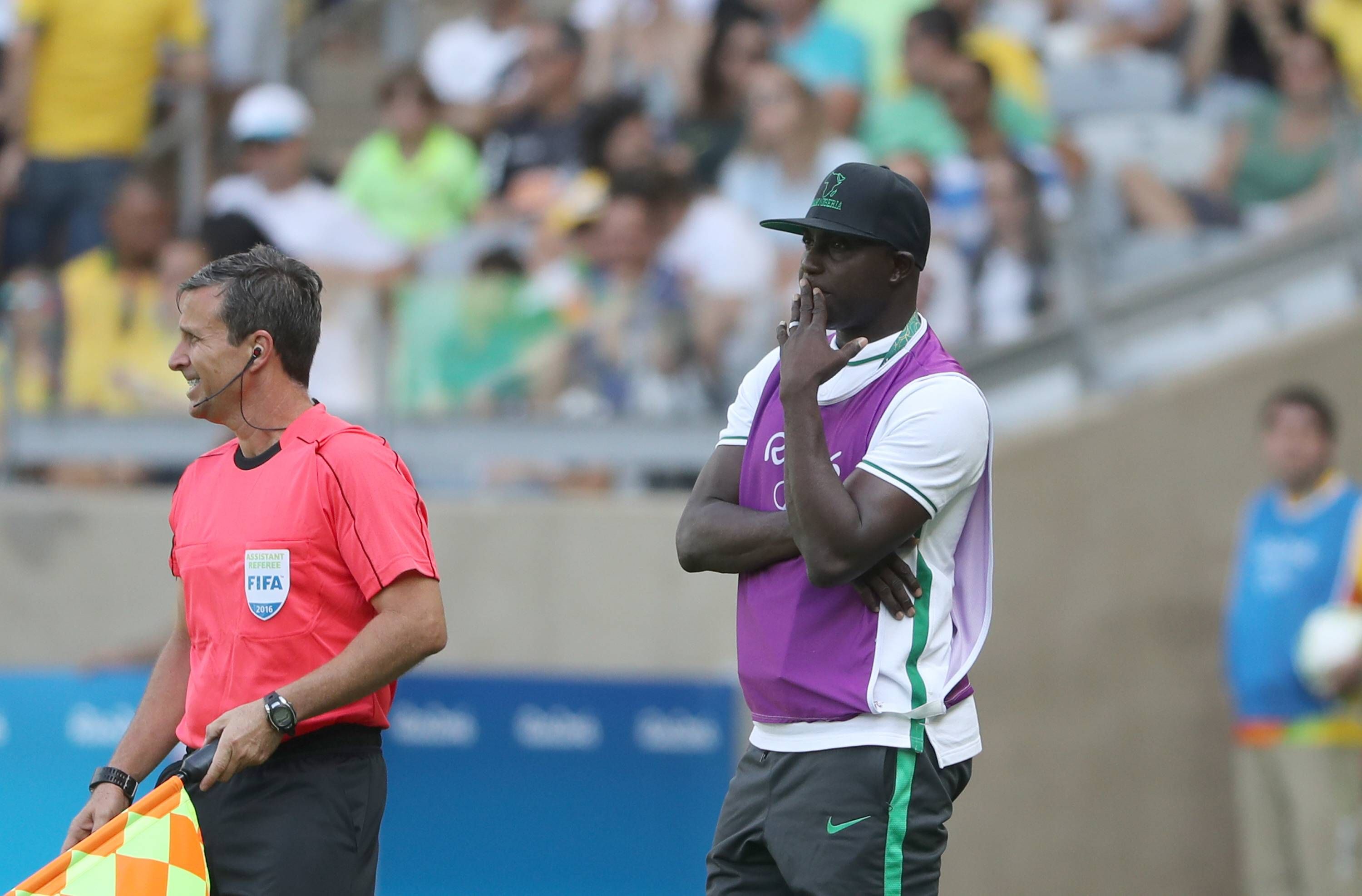
Those campaigns were not smooth. In 2016, players famously struggled with unpaid allowances and travel chaos. Yet Siasia still built a competitive, organised team capable of beating strong opponents. That ability to deliver under pressure remains one of his strongest assets.
He also has a clear tactical identity. His teams tend to play attacking football, using pace out wide and quick transitions. More importantly, he has shown he can manage young players, develop them quickly, and prepare them for big tournaments.
Amokachi’s coaching journey
Amokachi, now 53, brings a different profile. As a player, his legacy is unquestioned. He was part of Nigeria’s golden generation, winning the 1994 Africa Cup of Nations and the 1996 Olympic gold medal. His understanding of the game is not in doubt.
As a coach, however, his record is less convincing at this level. He has worked extensively as an assistant, most notably under Stephen Keshi when Nigeria won the 2013 Africa Cup of Nations. That experience counts for something. It shows he can contribute to a successful technical team.
But his spells as a head coach have been mixed. Short stints at clubs like Nasarawa United, Enyimba and Lobi Stars have not produced sustained success. His brief involvement with the U-23 side in the past did not lead to a full Olympic campaign or qualification.
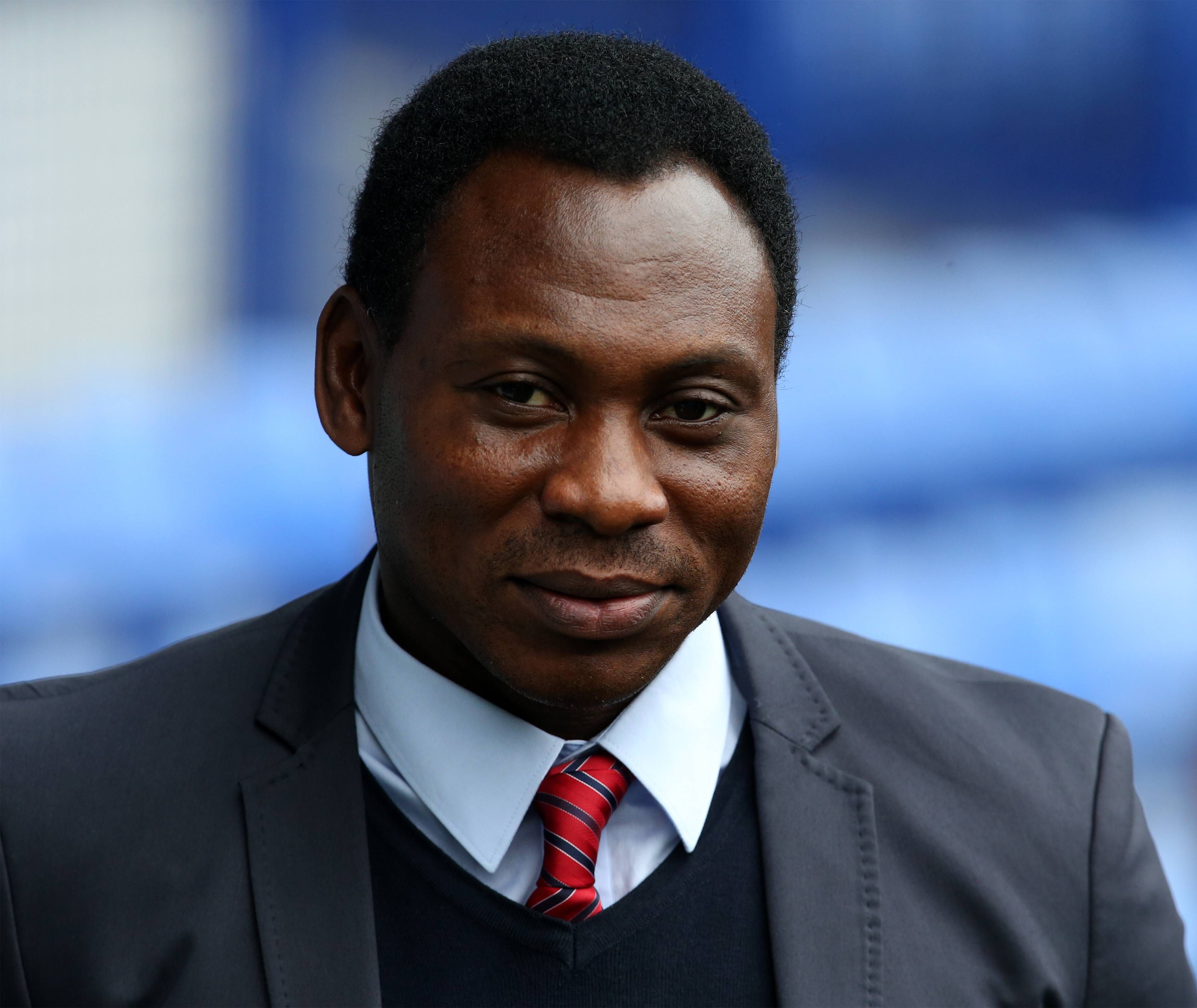
Simply put, Amokachi has been a strong supporting figure, but he is yet to prove himself as the main decision-maker over a long project.
Why Siasia edges the race
When both profiles are placed side by side, the difference becomes clear. Nigeria’s U-23 team needs a specialist, someone who understands the unique demands of Olympic qualification and tournament football.
Siasia has done it twice. The former Nantes forward knows the qualification route, the pressures of short tournaments, and the importance of building cohesion in a limited time. He has already shown he can navigate the same challenges that continue to trouble the team today.
Amokachi offers passion, experience, and strong man-management qualities. But at this moment, the role requires more than promise. It requires proof.
Nigeria are not starting from a position of strength. They are trying to recover lost ground. In such situations, experience in the exact job matters more than potential.
This decision will shape the next Olympic cycle. If Nigeria are to return to the Games and compete for medals again, they must rebuild structure, improve preparation, and restore belief within the squad.
Siasia’s track record suggests he can do that more quickly. His past success provides a blueprint.
Amokachi may still have a role to play in Nigerian football’s future. But in this specific race, at this specific time, Siasia stands just a little taller.